 Vetted
The Coach 400 Women Trusted Before Trusting Themselves.
Real lab numbers. Real sleep logs. Real people who'd already tried everything else. Scroll to read their stories — then decide if you're ready for yours.

My doctor used the word 'pre-diabetic' and I cried in the parking lot. Six months later she asked what medication I'd started. I told her it was food.
Diane came in with a full lab panel and a lot of skepticism. She'd tried low-carb twice, downloaded three apps, and lost the same eight pounds four different times. Her A1C was 6.4% — one point from a Type 2 diagnosis.
We didn't talk about carbs on week one. We talked about her 5am alarm and why she was eating lunch standing over a sink. The metabolic numbers followed the behavioral work — they always do.
Diane's Biomarker Panel
Results at intake vs. 14-week follow-up. Verified by primary care physician.
"Week 8 journal: Wore my jeans from 2019 today. Didn't plan to mention it but I'm mentioning it."
The 5 Habits That Actually Stick
Not a meal plan. Not a 30-day challenge. A 12-page guide to the behavioral foundations every successful client builds before anything else changes.
- The 10-minute morning protocol that regulates cortisol
- Why your hunger cues are probably wrong (and how to recalibrate)
- The sleep-glucose connection nobody talks about
- Building a food environment that does the work for you
- How to measure progress without a scale
Get the Starter Guide
Free. No spam. Unsubscribe anytime.
Read by 2,400+ people · 4.9/5 rating
Marcus's Sleep Transformation
Wearable data (Oura Ring) tracked throughout. Night-shift schedule unchanged.
I'd worked nights for eleven years. I thought this was just how my body worked now. I'd made peace with being tired.
Marcus came in asking about weight. He mentioned sleep almost as an aside — "oh, I also don't really sleep, but that's the job." His Oura Ring data told a different story: average 4.2 hours of actual sleep, quality score in the 28th percentile.
We built his protocol around his rotation, not against it. Circadian anchoring, light exposure timing, a specific eating window that worked with his shift. By week 12, he was sleeping more than he had since nursing school.
"Shift workers aren't broken sleepers — they're people whose environment is fighting their biology. Fix the environment first. The body knows what to do."
My kids would ask to go to the park and I'd say 'maybe tomorrow.' I said that for two years. I don't say it anymore.
Tom was two years post-divorce, running on caffeine and convenience food. His energy self-assessment on intake: 3.1 out of 10 — the second-lowest score we'd seen that quarter. He wasn't looking to lose weight. He wanted to keep up with his kids on weekends.
That's the most honest intake conversation I have. Not "I want to be healthy." A specific moment. A specific person he wanted to be present for. We built everything around that.
Tom's Energy Tracking
Daily 1–10 self-report (morning + evening). Averaged weekly.
Behavioral First. Metrics Second.
Every program starts with one question: what would have to be true in your daily life for this to work? Not what you should eat — what your actual schedule, stress load, and kitchen look like at 7pm on a Tuesday.
Every story is specific.
That's the point.
"I was on metformin and a statin. My internist took me off both at my 6-month check. She asked what I was doing differently. I said 'finally being honest about my evenings.'"
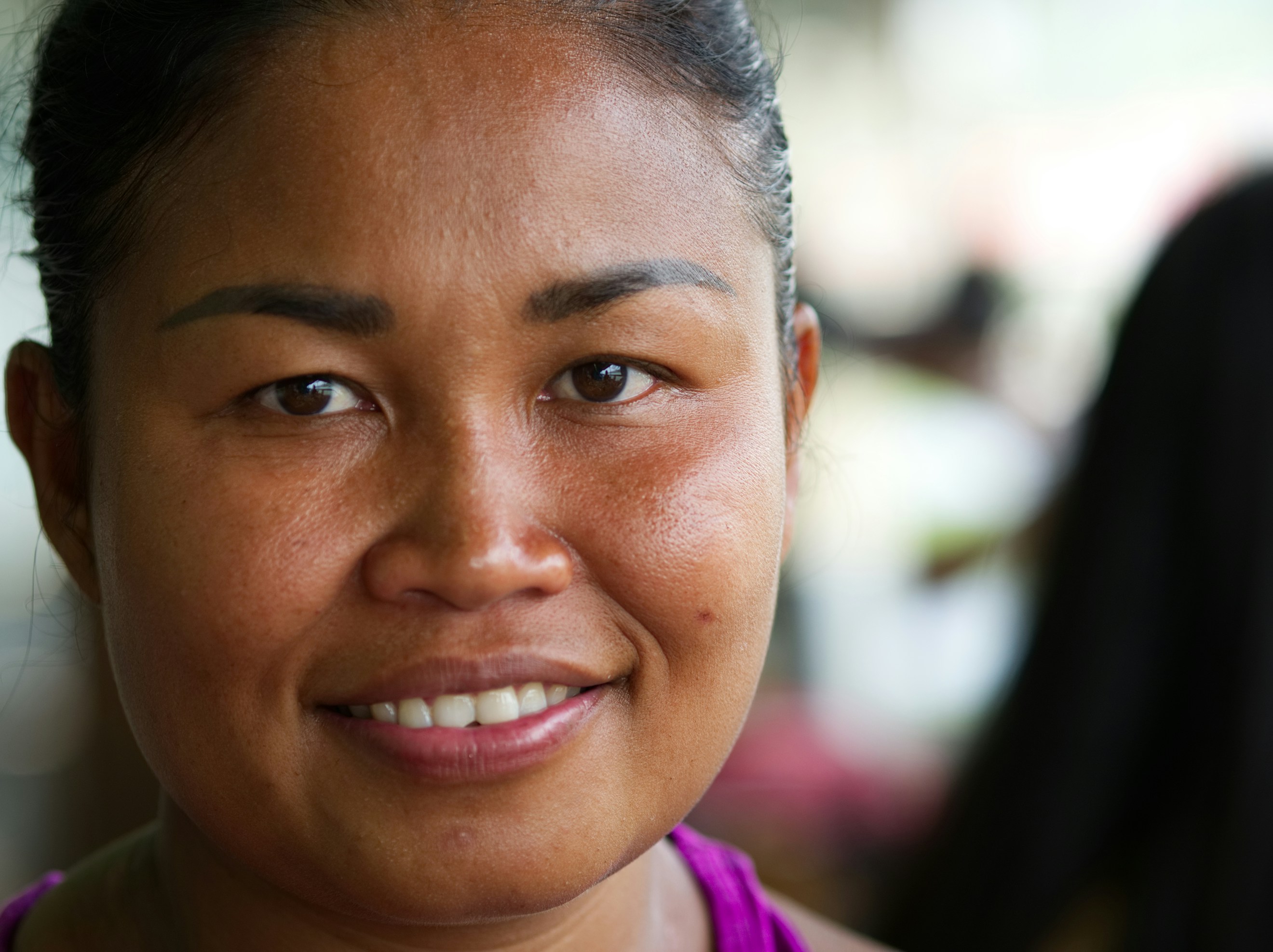
"I want to be clear: I've lost weight before. This is the first time I've lost it without hating myself for five months while doing it. That's the part that's different."

"My HR director referred me through our wellness program. I came in skeptical and left with actual tools. The ROI analysis for corporate programs is real — I've seen it from the inside now."

Your story starts with one honest conversation.
A free 30-minute assessment call. No pitch. No program pressure. Just an honest look at where you are and whether this approach is right for you.